Table of Contents
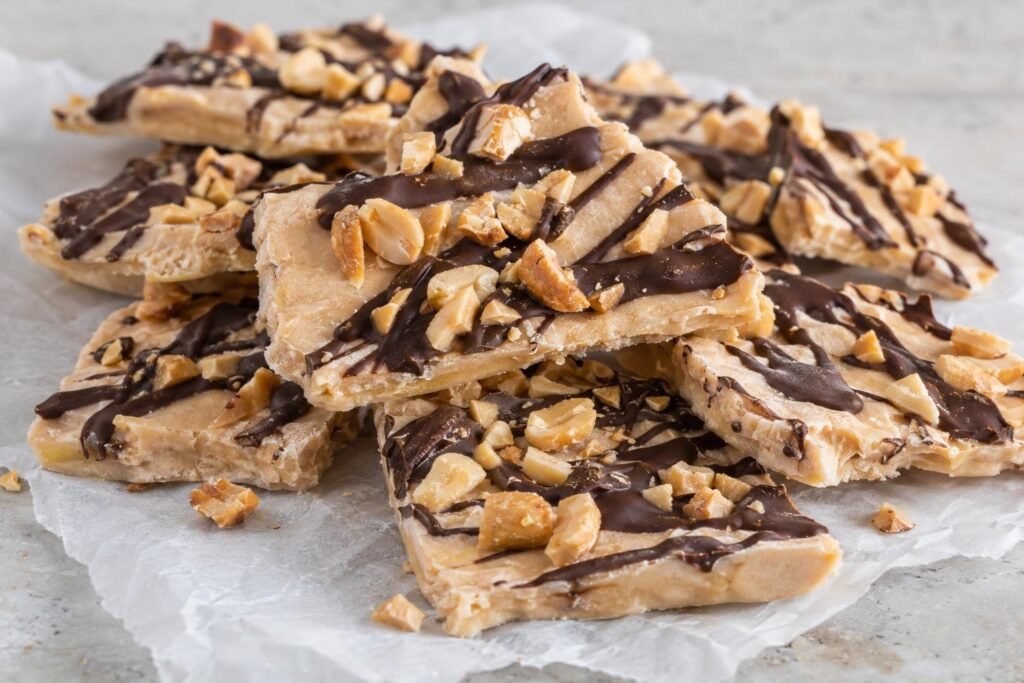
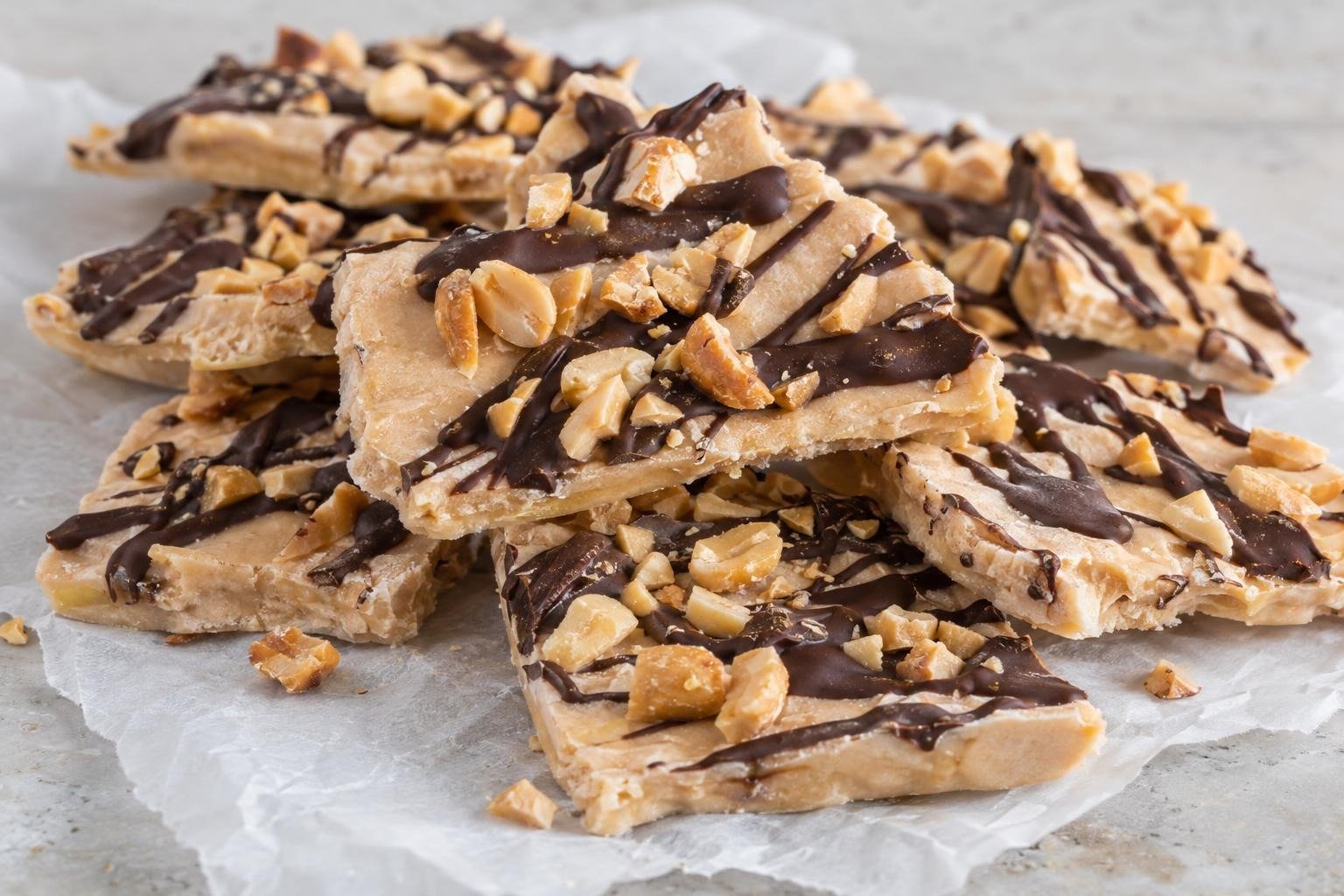
Creamy peanut butter, tangy yogurt, crisp chocolate, and salty roasted peanuts make every frozen piece feel like a proper dessert rather than a sad freezer snack. This peanut butter chocolate frozen yogurt bark is spread thin enough to snap cleanly, but it keeps enough body to soften into a creamy bite after a few minutes at room temperature.
I use whole-milk Greek yogurt for concentrated protein and lower free water, then add maple syrup and homogenized peanut butter to keep the no-churn base from freezing excessively hard. The important visual cue is an even 1/4-inch layer with no thin, translucent patches. Once the center feels completely rigid and the parchment peels away cleanly, the bark is ready to break and serve.
What Makes this Chocolate Pie So Ridiculously Good
- Whole-milk Greek yogurt supplies more milk solids and less free water than regular yogurt, giving the frozen bark a creamier texture with fewer noticeable ice crystals.
- Maple syrup sweetens the tangy base while dissolved sugar lowers its freezing point, helping the bark soften after a brief rest outside the freezer.
- Homogenized creamy peanut butter disperses smoothly through the yogurt, adding fat and roasted flavor without leaving oily pockets.
- A consistent 1/4-inch layer freezes evenly and breaks cleanly, avoiding a soft center or fragile, paper-thin edges.
- Refined coconut oil slightly softens the frozen chocolate topping, while chopped roasted peanuts add crunch without introducing excess moisture.
Ingredient Notes for Peanut Butter Chocolate Frozen Yogurt Bark for Break-Apart Frozen Pieces
- Whole-milk Greek yogurt: Choose plain Greek yogurt with about 5 percent milk fat. Its concentrated protein and lower moisture create a denser, less icy base than thin conventional yogurt.
- Creamy peanut butter: Homogenized peanut butter gives the most uniform result because the oil remains suspended. Stir it thoroughly before measuring if any separation is visible.
- Pure maple syrup: This provides sweetness and dissolved sugar, which helps moderate hardness in the freezer. Measure it accurately because reducing it substantially makes the bark firmer and icier.
- Vanilla extract: Vanilla rounds out the cultured tang of the yogurt and strengthens the impression of sweetness without adding more sugar.
- Fine sea salt: A small amount sharpens the peanut and chocolate flavors. Fine crystals dissolve more readily in the cold yogurt mixture than coarse salt.
- Semisweet chocolate: Semisweet chocolate provides enough bitterness to balance the sweetened yogurt base. Chop a bar finely or use chips so the chocolate melts evenly without overheating.
- Refined coconut oil and roasted peanuts: Coconut oil makes the frozen chocolate easier to bite, while roasted peanuts provide crisp texture. Refined oil keeps coconut flavor from competing with the peanut butter.
Good to Know
- Use a level freezer shelf. Even a slight tilt can produce thick, hard sections on one side and fragile edges on the other.
- Spread by thickness rather than appearance alone. A 1/4-inch layer freezes evenly, while a noticeably thicker center needs more time and becomes harder to bite.
- Keep all bowls, spoons, and spatulas used for the chocolate completely dry. Even a small amount of water can make melted chocolate seize into a grainy paste.
- Do not reduce the maple syrup simply to make the bark less sweet. Sugar controls frozen texture as well as flavor, so a large reduction creates a harder, icier result.
- Temper only the amount you intend to eat. Repeated softening and refreezing encourages larger ice crystals and weakens the clean snap of the chocolate topping.
Ingredients for Peanut Butter Chocolate Frozen Yogurt Bark
- 340 g (1 1/2 cups) plain whole-milk Greek yogurt (Cold, preferably about 5 percent milk fat)
- 85 g (1/3 cup) creamy peanut butter (Homogenized, stirred smooth before measuring)
- 45 ml (3 tablespoons) pure maple syrup (Room temperature)
- 1 teaspoon vanilla extract (Pure vanilla preferred)
- 1/8 teaspoon fine sea salt (Use fine crystals for quick dissolution)
- 85 g (1/2 cup) semisweet chocolate chips (Or finely chopped semisweet chocolate)
- 9 g (2 teaspoons) refined coconut oil (Measured while solid or melted)
- 36 g (1/4 cup) roasted salted peanuts (Coarsely chopped)
How to Make Peanut Butter Chocolate Frozen Yogurt Bark
- STEP 1). Prepare the pan and freezer Line a 9 x 13-inch rimmed quarter sheet pan with parchment, leaving enough overhang on two sides to lift the frozen slab. Clear a level shelf in a freezer set to 0°F or colder so the liquid base will not tilt before it firms. Keep the Greek yogurt refrigerated while organizing the remaining ingredients, and chop the peanuts into small, irregular pieces that will adhere to the chocolate without making the finished bark difficult to break.
- STEP 2). Mix the peanut butter yogurt base Place the cold Greek yogurt, creamy peanut butter, maple syrup, vanilla, and fine salt in a medium bowl. Whisk slowly at first so the thick yogurt stays in the bowl, then whisk firmly for 45 to 60 seconds, scraping the bottom and sides with a silicone spatula. Stop when the mixture is evenly beige, glossy, and completely streak-free. Do not whip in excessive air because large bubbles create brittle pockets and an uneven frozen surface.
- STEP 3). Spread the base evenly Scrape the yogurt mixture onto the center of the prepared pan. Using an offset spatula, spread it into an even layer reaching close to the pan edges, aiming for approximately 1/4 inch thickness throughout. Sweep the spatula lightly across the surface to fill shallow spots, especially near the corners, without repeatedly working the mixture. Place the pan in the freezer for 10 minutes while melting the chocolate; this brief chill helps the drizzle remain distinct instead of sinking into the yogurt.
- STEP 4). Melt the chocolate topping Combine the semisweet chocolate and refined coconut oil in a dry microwave-safe bowl. Microwave at 50 percent power for 30 seconds, stir thoroughly, then continue in 15-second intervals, stirring after each, until nearly melted. Let the residual heat finish the last small pieces, usually within 60 to 90 seconds total. The chocolate should flow smoothly from a spoon but should not feel hot. Let it stand for 1 minute so it will not melt channels into the chilled yogurt.
- STEP 5). Add the topping and freeze solid Remove the pan from the freezer and drizzle the melted chocolate evenly over the yogurt using a spoon. For a lightly marbled appearance, drag the tip of a skewer through only a few chocolate lines, keeping most of the topping on the surface. Immediately scatter the chopped peanuts over the wet chocolate and press down only loose pieces. Return the uncovered pan to the level freezer shelf and freeze for at least 4 hours, until the center is rigid and no indentation remains when pressed lightly.
- STEP 6). Release, break, and temper the bark Lift the fully frozen slab from the pan using the parchment overhang and place it on a dry cutting board. Peel away the parchment, then break the slab into about 20 irregular pieces by hand; for more controlled portions, press a chef’s knife straight down rather than sawing. Transfer the pieces to a freezer-safe container immediately. Before serving, set out one portion for 3 to 5 minutes, just until the yogurt loses its frosty surface and becomes creamy enough to bite without bending or melting.
Storage and Freezing
- Storage: Place the broken bark in a rigid airtight freezer container, separating layers with parchment. Keep frozen at 0°F or colder and use within 2 weeks for the best texture.
- Freezing: Freeze the initial slab uncovered until completely rigid, then package promptly to limit surface frost and absorption of freezer odors.
- Thawing: Do not thaw the full container. Remove individual servings and let them soften at room temperature for 3 to 5 minutes.
- Serving: Return unused pieces to the freezer immediately. Avoid refrigerating or refreezing softened bark because the yogurt will melt and form larger ice crystals.
Frequently Asked Questions
How thick should peanut butter chocolate frozen yogurt bark be spread?
Spread the yogurt mixture approximately 1/4 inch thick across a 9 x 13-inch rimmed pan. Check the corners and center with the edge of the offset spatula because those areas commonly end up thicker.
A very thin layer becomes brittle and melts quickly, while a thick layer freezes excessively hard and takes longer to soften. An even 1/4-inch layer gives the bark enough structure to break while remaining comfortable to bite after tempering.
Why does frozen yogurt bark become icy or overly hard?
Excess water, insufficient sugar, and prolonged uncovered storage are the usual causes. Regular yogurt contains more free water than Greek yogurt, and reducing the maple syrup removes some of the dissolved sugar that helps moderate the frozen texture.
Use whole-milk Greek yogurt, preserve the ingredient ratios, and package the bark once it is solid. If properly made bark still feels hard directly from the freezer, let it stand for 3 to 5 minutes rather than extending that time for the whole batch.
What type of yogurt gives frozen yogurt bark the creamiest texture?
Plain whole-milk Greek yogurt with approximately 5 percent milk fat is the best match for this formula. Its strained consistency supplies concentrated protein and milk solids, which bind water and give the bark a denser, creamier bite.
Nonfat Greek yogurt will freeze more firmly, while conventional unstrained yogurt can form a thinner mixture with more noticeable ice crystals. The yogurt should be thick enough to hold soft ridges when stirred before it is combined with the peanut butter.
Can I make ingredient substitutions in this frozen yogurt bark?
The yogurt, peanut butter, maple syrup, and coconut oil each control more than flavor, so substitutions can noticeably change the frozen texture. Natural peanut butter with a heavy oil layer may create greasy streaks, and thin conventional yogurt introduces more free water.
For the most predictable bark, use the specified whole-milk Greek yogurt and homogenized peanut butter. Chopped semisweet chocolate may replace semisweet chips by equal weight because the cocoa, sugar, and fat balance remains comparable.
How should peanut butter chocolate frozen yogurt bark be stored?
Store the broken pieces in a rigid airtight freezer container with parchment between layers. This protects the chocolate drizzle, limits freezer odors, and reduces surface frost. The texture is best within 2 weeks at 0°F or colder.
Remove only the pieces needed for one serving and soften them for 3 to 5 minutes. Leaving the full container at room temperature encourages condensation, and repeated thawing and refreezing produces larger ice crystals in the yogurt base.
More Ridiculously Delicious Desserts to Try
- No-Churn Peanut Butter Chocolate Ice Cream with Chocolate Ribbons
- Chocolate Frozen Yogurt Bark for Break-Apart Frozen Pieces
- Chocolate Ice Cream Sandwiches with Frozen Filling
- Chocolate No-Churn Ice Cream with Creamy Cocoa Flavor
- Strawberry Frozen Yogurt Bark for Break-Apart Frozen Pieces
Peanut Butter Chocolate Frozen Yogurt Bark for Break-Apart Frozen Pieces
Ingredients
Equipment
Method
- Line a 9 x 13-inch rimmed quarter sheet pan with parchment, leaving enough overhang on two sides to lift the frozen slab. Clear a level shelf in a freezer set to 0°F or colder so the liquid base will not tilt before it firms. Keep the Greek yogurt refrigerated while organizing the remaining ingredients, and chop the peanuts into small, irregular pieces that will adhere to the chocolate without making the finished bark difficult to break.
- Place the cold Greek yogurt, creamy peanut butter, maple syrup, vanilla, and fine salt in a medium bowl. Whisk slowly at first so the thick yogurt stays in the bowl, then whisk firmly for 45 to 60 seconds, scraping the bottom and sides with a silicone spatula. Stop when the mixture is evenly beige, glossy, and completely streak-free. Do not whip in excessive air because large bubbles create brittle pockets and an uneven frozen surface.
- Scrape the yogurt mixture onto the center of the prepared pan. Using an offset spatula, spread it into an even layer reaching close to the pan edges, aiming for approximately 1/4 inch thickness throughout. Sweep the spatula lightly across the surface to fill shallow spots, especially near the corners, without repeatedly working the mixture. Place the pan in the freezer for 10 minutes while melting the chocolate; this brief chill helps the drizzle remain distinct instead of sinking into the yogurt.
- Combine the semisweet chocolate and refined coconut oil in a dry microwave-safe bowl. Microwave at 50 percent power for 30 seconds, stir thoroughly, then continue in 15-second intervals, stirring after each, until nearly melted. Let the residual heat finish the last small pieces, usually within 60 to 90 seconds total. The chocolate should flow smoothly from a spoon but should not feel hot. Let it stand for 1 minute so it will not melt channels into the chilled yogurt.
- Remove the pan from the freezer and drizzle the melted chocolate evenly over the yogurt using a spoon. For a lightly marbled appearance, drag the tip of a skewer through only a few chocolate lines, keeping most of the topping on the surface. Immediately scatter the chopped peanuts over the wet chocolate and press down only loose pieces. Return the uncovered pan to the level freezer shelf and freeze for at least 4 hours, until the center is rigid and no indentation remains when pressed lightly.
- Lift the fully frozen slab from the pan using the parchment overhang and place it on a dry cutting board. Peel away the parchment, then break the slab into about 20 irregular pieces by hand; for more controlled portions, press a chef’s knife straight down rather than sawing. Transfer the pieces to a freezer-safe container immediately. Before serving, set out one portion for 3 to 5 minutes, just until the yogurt loses its frosty surface and becomes creamy enough to bite without bending or melting.
Notes
- Use a level freezer shelf. Even a slight tilt can produce thick, hard sections on one side and fragile edges on the other.
- Spread by thickness rather than appearance alone. A 1/4-inch layer freezes evenly, while a noticeably thicker center needs more time and becomes harder to bite.
- Keep all bowls, spoons, and spatulas used for the chocolate completely dry. Even a small amount of water can make melted chocolate seize into a grainy paste.
- Do not reduce the maple syrup simply to make the bark less sweet. Sugar controls frozen texture as well as flavor, so a large reduction creates a harder, icier result.
- Temper only the amount you intend to eat. Repeated softening and refreezing encourages larger ice crystals and weakens the clean snap of the chocolate topping.